
Treating addictions: initial results from using an aroma stick with essential oils
Presented at the 2026 Albatros Congress, a report from the Inicea Les Horizons clinic describes using an aroma stick based on essential oils as a complementary approach to help support patients with addiction. Of the 13 patients followed for three months, it reports that four decreased their use of benzodiazepines, eight maintained a stable dosage and one increased their treatment. These initial descriptive results signal potential benefits that will need to be confirmed by a larger evaluation.

Poster Albatros 2026 | Utilisation d’un stick olfactif aux huiles essentielles
PDF, FR, 0.18Mo
Background
Stress, anxiety, agitation, nervousness, insomnia and manifestations associated with withdrawal can generate significant discomfort when treating addictions and can contribute to the risk of relapse.
In this context, an individual aroma stick based on essential oils was offered to patients who have an addiction to tobacco, alcohol or other psychoactive substances alongside symptoms of cravings or stress.
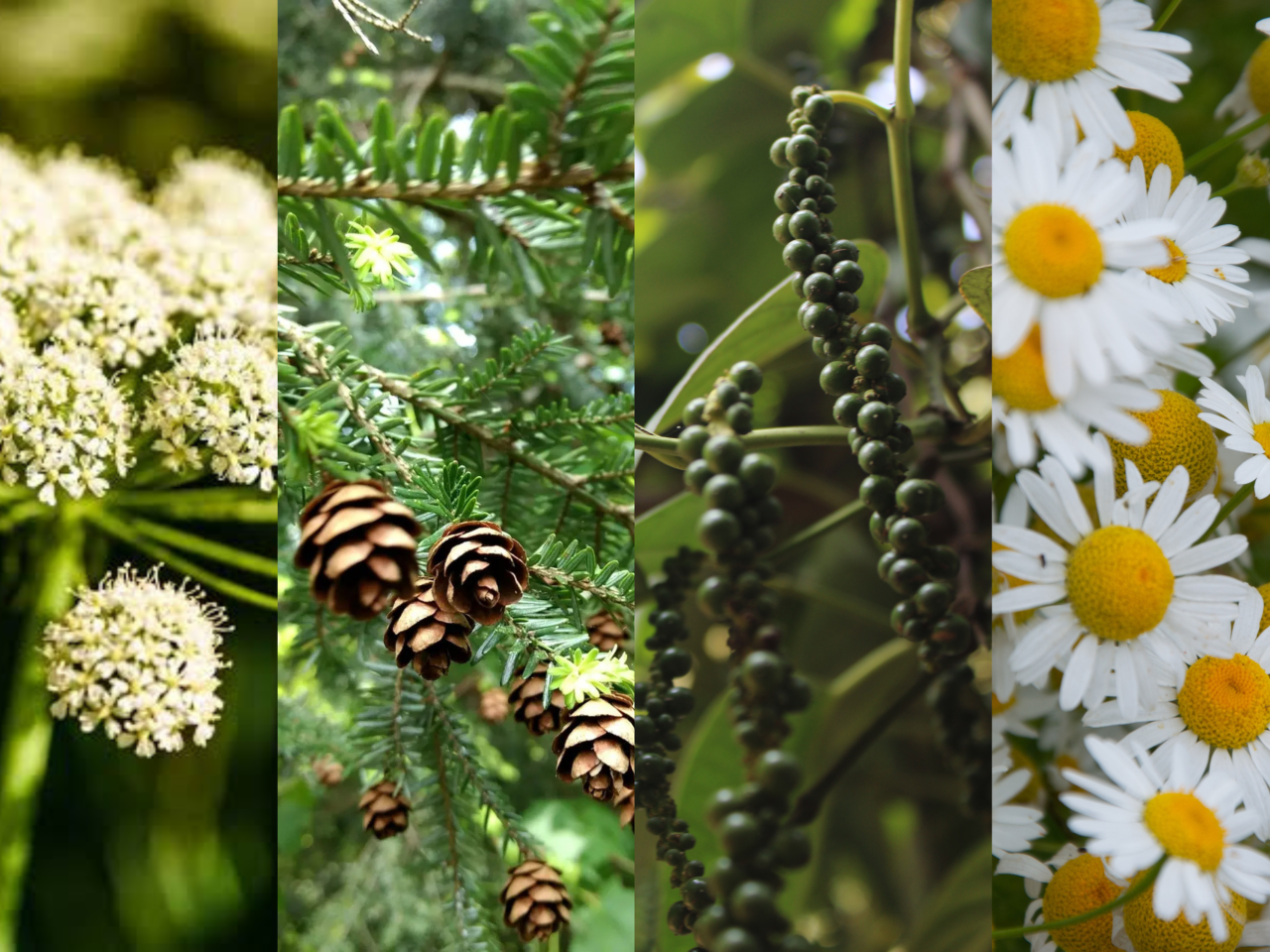
The stick contained a combination of angelica or hemlock spruce with black pepper and Roman chamomile, alongside true lavender or bergamot to improve olfactory tolerance.
The preparation is carried out by the pharmacy following best practices. Dispensing and support are provided by the healthcare team, with traceability in the patient file. Asthma patients or patients with olfactory disorders are excluded from this use.
Initial lessons
L’évaluation exploratoire a porté sur 13 patients pendant une période de trois mois.
Concernant l’évolution de leur traitement par benzodiazépines :
- 4 patients sur 13, soit 30,8 %, ont diminué leur traitement ;
- 8 patients, soit 61,5 %, ont conservé une posologie stable ;
- 1 patient, soit 7,7 %, a augmenté son traitement.
The exploratory evaluation included 13 patients over a three-month period.
The results show how patients’ treatment with benzodiazepines changed:
- 4 out of 13 patients, or 30.8%, decreased their treatment;
- 8 patients, or 61.5%, maintained a stable dosage;
- 1 patient, or 7.7%, increased their treatment.
These observations suggest that aroma sticks may be of interest as a complementary tool to improve some patients’ comfort during their treatment.
However, given the small number of patients, the absence of a control group and the descriptive nature of the evaluation, the results do not currently allow a causal link to be established between using the aroma stick and changes in benzodiazepine use.
Further assessment would be required to better document its acceptability, tolerance and possible effects on stress, cravings and use of symptomatic treatments.
Key takeaways
- An aroma stick based on essential oils was used as a complementary approach in 13 patients with addiction.
- After three months, four patients had decreased their benzodiazepine treatment, eight had maintained a stable dosage and one had increased it.
- These initial descriptive results signal potential benefits that will need to be confirmed by a larger study.
About
This feedback was conducted by the Inicea Les Horizons clinic in Cambes, and presented in the form of a poster at the 2026 Albatros Congress on addictology.