
From medication to movement: adapted physical activity as essential care
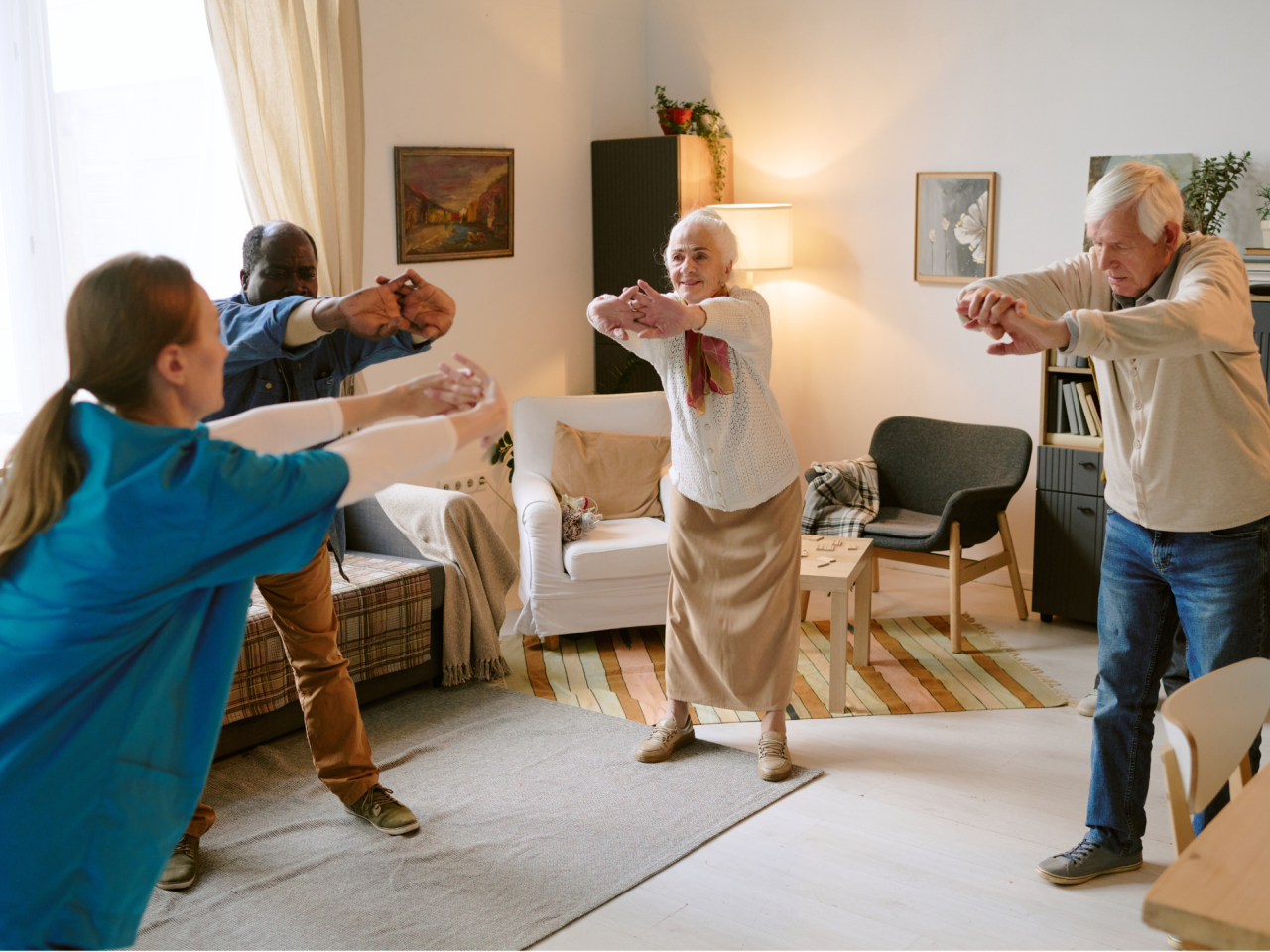
Adapted physical activity (APA) is increasingly recognised as an effective therapeutic tool in the treatment of mental disorders. It is much more than a simple addition to other treatments – it can become a care tool in its own right when structured, personalised and integrated into an overall care pathway.
This approach is part of a holistic vision of mental health, which complements drug treatments and promotes patients’ physical, mental and social well-being.
 Nelly Heraud
Scientific evidence of the effectiveness of physical activity
The benefits of adapted physical activity have now been documented at several levels: Biological: physical activity promotes neuroplasticity, stimulates the production of neurotransmitters like dopamine and serotonin and reduces inflammation, helping to regulate mood. Psychosocial: it strengthens self-esteem, self-efficacy and social interactions, allowing patients to break out of isolation and better manage their daily lives.
Key figures
- Several studies show that 30 minutes of physical activity, 3 to 5 times a week, can reduce depressive symptoms by 20-30% in adult patients.
- The WHO recommends including physical activities in care pathways to prevent and manage mental disorders.
Barriers and obstacles to including physical activity
Despite this evidence, physical activity remains under-prescribed in mental health care pathways. Several factors explain this situation:
- Patients’ and professionals’ fears: fear of excessive fatigue; concern about adaptation to specific disorders due to lack of information.
- Institutional and organisational limitations: lack of coordination between medical teams and physical activity specialists; a lack of knowledge regarding prescription methods and support structures and complexities surrounding implementation.
- Access and training: although university training in APA professions is accessible and there are no limits on student numbers, the profession still suffers from a lack of recognition. The obstacles identified are primarily financial and structural: coverage in France is still limited by the public healthcare system, Assurance Maladie (excluding long-term illness exemptions). This restricts access for the most vulnerable groups and there is a lack of long-term subsidies, meaning charities and organisations offering APA often depend on one-off funding.
An individualised approach with regular follow-up and tailored assessment of capabilities is essential to maximise the benefits of APA.
APA: a treatment in its own right
To be fully effective, APA must be integrated into a structured care pathway:
- Initial assessment: evaluating the patient’s physical and mental capabilities.
- Regular support: monitoring progress and adapting the programme.
- Multidisciplinary coordination: ensuring collaboration between caregivers, psychologists, sports educators and other practitioners. Local and international initiatives show that this approach promotes prevention, overall remobilisation and social inclusion of patients.
Teaching example:
- APA programmes in hospital units or sport-health facilities, combining physical activity with coaching and psychological support, have positive results on mental health and quality of life.
Perspectives and recommendations
To make APA a permanent part of healthcare practices:
- Improve training and information for healthcare professionals, sports educators and patients.
- Expand prescription of APA and develop standardised APA protocols.
- Build bridges between care facilities, sports organisations and communities.
- Support the creation of dedicated positions within facilities (APA teachers).
- Evaluate and measure the impact on mental health to adjust practices and spread best practices. Highlight successes (testimonials, case studies).
Towards more holistic medicine
Adapted physical activity is a practical way of improving mental health and psychological support. Putting movement at the heart of the patient journey complements medication, prevents isolation and promotes overall well-being.
This approach helps transform care practices by making them more human, more personalised and more focused on prevention.
Find out more:
APA Roundtable Replay & Mental Health – YouTube