Clariane x OpinionWay Survey: How are the French preparing to age well?
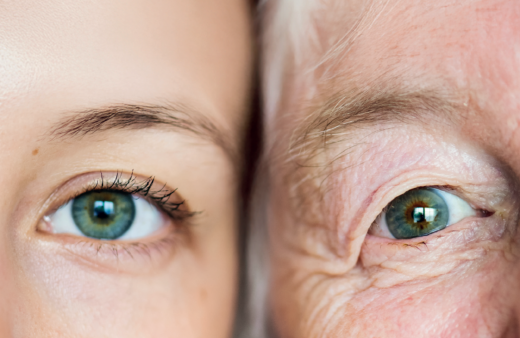
On the occasion of the first Gerosciences Meetings, held on January 14, 2026, Clariane, in partnership with OpinionWay, is publishing a study dedicated to how the French view ageing . The survey sheds light on how they anticipate growing older, navigating concerns, perceptions, and concrete actions.
A major cause for concern
Ageing occupies a central place in the concerns of the French population:
- 9 out of 10 believe that ageing well should be a major national cause.
- While 69% feel that ageing is better supported today than it was twenty years ago, only 30% consider that society is currently prepared to face it.
Perceptions of old age remain marked: 74% believe that older people are undervalued, and 59% feel the topic remains taboo.
Perceived age, representations, and concerns
The French tend to feel younger than their actual age: 65% report a perceived age different from their official age, including 44% who feel younger by an average of eight years.
Nevertheless, 57% say they are worried about their own ageing. These concerns primarily relate to health (92%, particularly loss of independence), but also to changes in lifestyle (79%) and the risk of loneliness (60%).
Early and gradual preparation for ageing well
Adopting a healthy lifestyle begins as early as the thirties (an average age of 29), followed by building up savings around the age of 35, and then establishing regular medical follow-up around the age of 46.
As people grow older, certain steps become more frequent, particularly among those aged 65 and over: drafting advance directives, adapting their home, or changing residence, although these practices remain in the minority.
Relying first and foremost on loved ones
When considering their old age, the French mainly rely on those close to them: 71% cite their family, particularly their children (49%) and their partner (48%).
At the same time, 67% fear becoming a burden on their loved ones. Recourse to external care facilities remains limited (26%), while one in five French people say they can rely only on themselves.