
The 2026 summer fires in Gironde: a look back at an exceptional collective effort
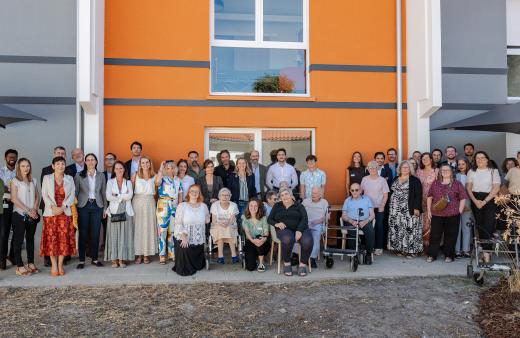
In the wake of the fires in the Gironde department of France this summer, Clariane’s teams worked hard to keep residents safe and continuously supported. Two months after the evacuations, a delegation from the Clariane France Management Board visited the site to meet and thank the professionals involved in this unprecedented crisis management.
More than 100 residents urgently evacuated
On the evening of 25 July 2026, as the fires in Gironde spread, Korian Le Chalet in Belin-Béliet and Korian Chantefontaine in Cestas – two long-term care nursing homes – had to be evacuated.
Within hours, the 108 residents of both facilities were taken to safety and hosted across several Korian homes and Inicea clinics in the area. A total of 25 facilities contributed, and also hosted an additional 70 people from outside the Clariane network.
A national crisis unit supported the teams on the ground throughout the event. Facility managers, caregivers and support staff rallied round, with some spontaneously coming into facilities to assist.
This level of organisation ensured continuity of care and support for residents in an unprecedented context. It also relied on strong cooperation with local stakeholders, including the Nouvelle-Aquitaine Regional Health Agency, firefighters, communities, health professionals and local partners.
We were prepared and our organisation was decisive.
Two months later, alongside the teams
On 24 September, part of Clariane France’s Management Board, led by Aymeric Mathias, visited the facilities that were directly affected by the fires.
The delegation met the teams from Korian Le Chalet and Korian Chantefontaine, both of which were evacuated this summer, as well as from the Inicea Les Horizons clinic, which had hosted some of the residents.
The meetings provided an opportunity to look back at the hours following the announcement of the evacuations—organising transfers, including in the middle of the night, coordinating between facilities, welcoming residents and arranging support from local teams.
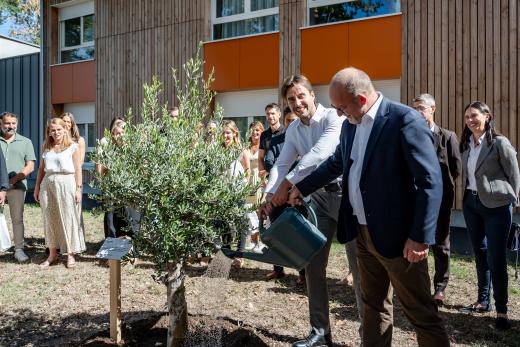
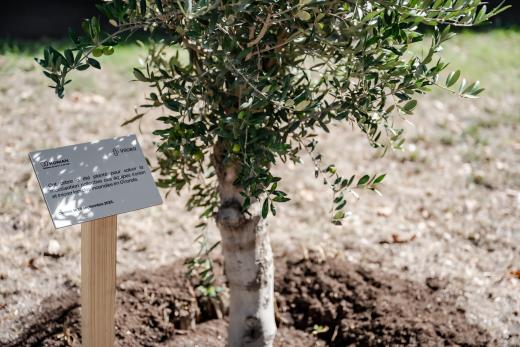
In both evacuated facilities, an olive tree was planted as a testament to this collective effort and in recognition of the teams’ commitment.
Preparing for climate risk escalation
Looking beyond the way this crisis was managed, the fires in Gironde remind us of the importance of anticipating the consequences of climate change on health and medico-social facilities.
Fires, heatwaves and other extreme weather events are likely to become more frequent and intense. This is why the group is continuing to adapt its organisation and buildings, while strengthening its local cooperation.
Invited onto ICI Gironde radio’s morning programme on September 24, Aymeric spoke about the lessons of this summer and the need to continue the focus on planning ahead.
Listen to Aymeric Mathias’s interview (in French; from 1 hour 16 min.)
Essential jobs in the face of demographic challenges
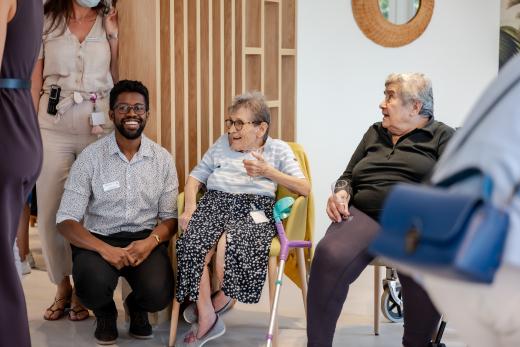
In his interview, Aymeric Mathias also stressed the importance of the care and support professions at a time when an ageing population will result in increased needs among the elderly and frail.
The events of this summer have shown this very clearly. Over the course of several days, the professionals who rallied round in Gironde provided residents with safety, presence and comfort in a deeply uncertain situation.
Their support is a reminder of how essential it is to have committed, expert and adaptable teams, including in exceptional situations.