
Overview of carers in Europe
Conducted in October 2025 and surveying 13,500 people in six European countries, the OpinionWay study for Clariane establishes the profiles of regular non-professional carers.
Overview of carers in Europe
PDF, FR, 4.66Mo
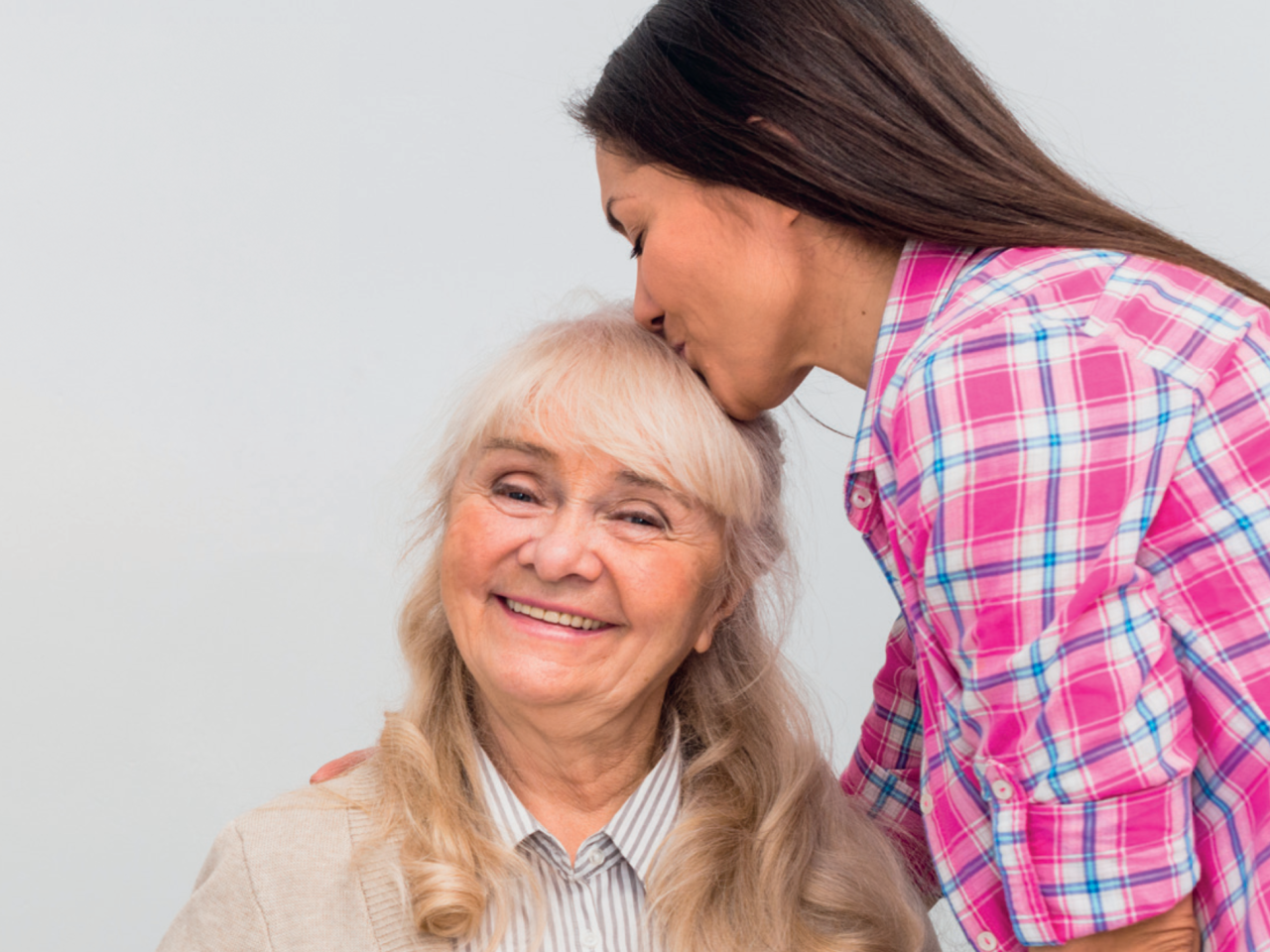
European carers: a varied profile with national differences
Faced with the progressive ageing of the European population and the resulting consequences, such as loss of autonomy, chronic diseases and isolation, the need for support continues to grow. In this context, many European citizens take on caring roles, by choice or by necessity, to support their vulnerable loved ones.
28% of Europeans say they regularly care for a loved one with impaired independence. These carers have an average age of 47, and the majority are in work (71%) and urban residents (55%).
In nearly 9 out of 10 cases, carers care for a family member, most often a parent or grandparent (59%).
Carers devote an average of 13 hours a week to their loved ones, almost two hours a day.
Eight in ten carers are solely responsible for the bulk of the care provided.
76% of caregivers in Europe provide care several times a week.
In 84% of cases, care is provided due to the age of the loved one receiving care.
This study reveals several major lessons
- Caring is widespread in Europe, performed by nearly a third of the adult population, with cultural and social factors strongly influencing its expression from one country to another.
- Caring responsibilities rest mainly on the shoulders of a single individual, often without assistance from others, although more collective approaches are observed in southern European countries, especially in Italy and Spain.
- Carers provide regular care that is engaging and exists in multiple forms, combining practical, emotional, administrative and physical support.
- Providing care has a tangible impact on carers’ personal lives, affecting their health, social and family relationships and emotional balance.
- However, the role is also a source of satisfaction and pride: caregivers express a strong attachment to their role and a willingness to help freely, and a majority say they are happy to care for their loved one.
- These twin facets of caring – responsibility and fulfilment – make it a deeply ambivalent experience, where fear and loneliness coexist with joy, a sense of usefulness and the strengthening of family ties.
- Public support is perceived as insufficient, with few concrete measures, existing support mechanisms that lack visibility and a shared pessimism about the potential for improvement in the future.
- Political awareness is therefore essential: carers play a key role in maintaining intergenerational solidarity and managing dependency. Providing better support to carers also means better supporting vulnerable people and anticipating the demographic challenge ahead.
Methodology
The study was carried out with a sample of 13,488 people, representative of the population aged 18 and over, in France (2,320 people), Germany (2,316 people), Italy (2,195 people), Spain (2,233 people), Belgium (2,157 people) and the Netherlands (2,267 people). The sample was selected using the quota method with regard to sex, age, socio-professional category, region of residence and income.
Interviews were conducted using a self-administered online questionnaire via a CAWI (Computer Assisted Web Interview) system.
They took place from 18 to 25 August 2025.
Overview of carers in Europe
PDF, FR, 4.66Mo