
The effect of an intervention based on personality traits on quality of life in pulmonary rehabilitation
Tailoring information to patients’ personality traits could enhance some of the benefits of pulmonary rehabilitation. The MONTREHAL study evaluates the impact of a targeted psychoeducational approach on quality of life.

Effect of a personality-based psychoeducational booklet aligned with openness-related characteristics on health-related quality of life in pulmonary rehabilitation
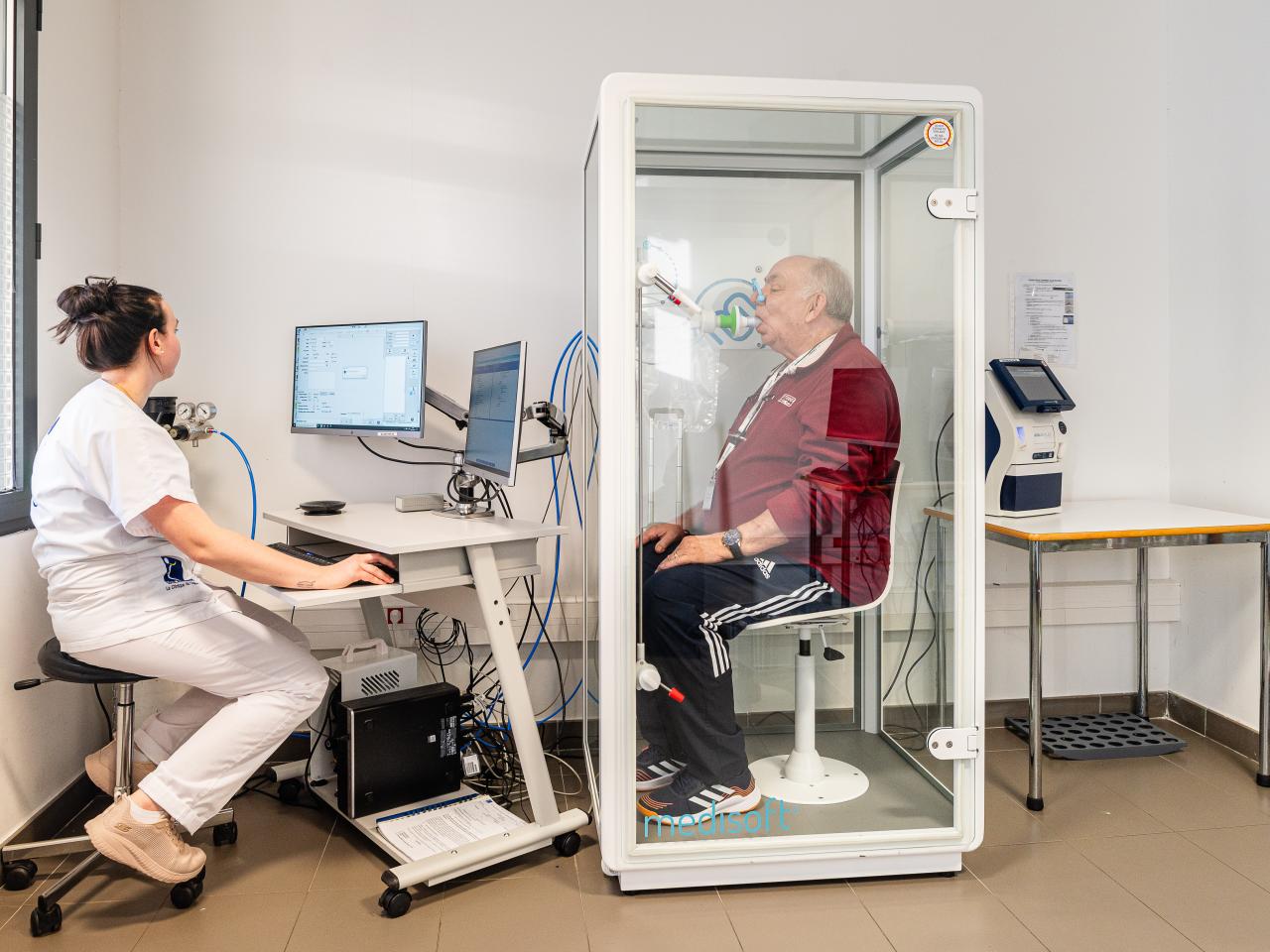
Dans le cadre d’un essai contrôlé randomisé multicentrique, 136 patients atteints de maladies respiratoires chroniques ont suivi un programme de réadaptation respiratoire.
Une partie des participants a reçu un livret psychoéducatif adapté à certaines caractéristiques de personnalité, notamment liées à un fort niveau d’ouverture, tandis que les autres recevaient une information plus standard. La qualité de vie a été mesurée avant et après le programme à l’aide du questionnaire SGRQ (St George’s Respiratory Questionnaire).
En revanche, une amélioration apparait sur une sous-dimension de la qualité de vie, celle liée aux activités du quotidien. Les patients ayant reçu le livret adapté perçoivent donc une meilleure qualité de vie pour cette dimension, notamment grâce à une réduction des peurs liées à la maladie.
Cet effet, observé quel que soit le niveau d’ouverture initial, suggère qu’adapter la manière de présenter les soins peut avoir un impact, même ciblé, dans des environnements pourtant très standardisés.
In a multicentre randomised controlled trial, 136 patients with chronic respiratory diseases underwent a pulmonary rehabilitation programme.
Some of the participants received a psychoeducational booklet tailored to certain personality characteristics, in particular related to a high level of openness, while the others received more standard information. Quality of life was measured before and after the programme using the St George’s Respiratory Questionnaire (SGRQ).
The results show an improvement within a sub-dimension of quality of life, that linked to daily activities. Patients who were given the tailored booklet perceived a better quality of life in this area, in particular thanks to a reduction in fears related to the disease.
This effect was observed regardless of the initial level of openness, suggesting that adapting how care is presented can have an impact, even a targeted one, in highly standardised environments.
In summary
- Psychoeducational intervention tailored to personality can generate targeted benefits.
- The effect observed concerns a specific dimension of quality of life: daily activities.
- Reducing disease fears plays a key role in these improvements.
- Tailoring programmes to personality profiles is a promising tool to optimise their effectiveness.
Auteurs
- Sébastien Kuss (1, 2)
- Nelly Héraud (2)
- Espérance Moine (2)
- Virginie Molinier (2)
- François Alexandre (2)
- Benjamin Eichenauer (3)
- Lorie Thomas (3)
- Laura Brandon (4)
- Perrine Sanchez (4)
- Brice Canada (1)
1 L-ViS – Laboratory of Vulnerabilities and Innovation in Sport, University of Lyon
2 DRIS (Clariane) – Health Research and Innovation Department, Clariane
3 Clinique du Souffle Le Pontet, Inicea
4 Clinique du Souffle Les Clarines, Inicea