
Specialty Care
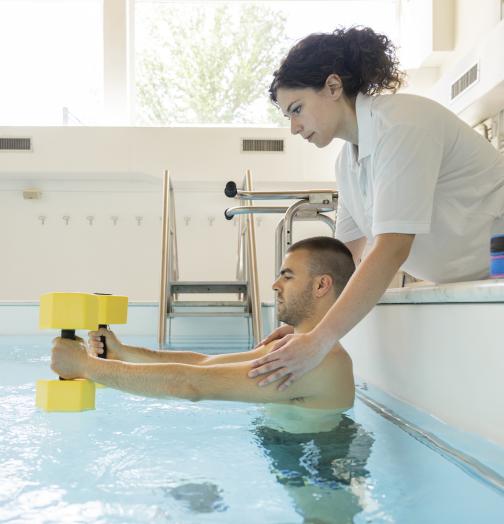
Clariane is diversifying its activities while strengthening its specific expertise in four key areas to support vulnerable individuals: specialty and post-acute, mental health, outpatient consultations and diagnostics, and social care services.
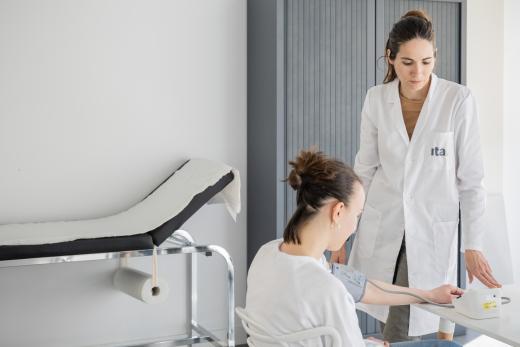
The Clariane Group operates specialised clinics and healthcare facilities, in Spain (Ita Salud Mental, Cian, Iterias, Grupo 5), France (Inicea) and Italy (Kormed). They include specialty and post-acute, mental health and a number of medical, surgical and obstetrics clinics (in Italy only).
These facilities fit into the local healthcare ecosystem by providing inpatient and outpatient care, and consultations. Specifically in Spain, Clariane manages medico-social activities under concession from the public authorities. In most countries where the Group operates, a range of services including domiciliary care is also available.
With 279 healthcare facilities and a total of 14,230 beds, Clariane’s health network cares for 700,000 patients of all ages, whether they are hospitalised on a full-time basis or in day care. The Clariane Group’s specialty care activity currently accounts for 24% of its turnover.
Our local healthcare network enables us to provide ongoing regional care, as follow-up to hospital care, contribute to ensuring high-quality support for chronic and vulnerable patients, and play a role in prevention. In this way, we are fully involved in the fight against chronic diseases, which is one of today’s major public health challenges.
Key figures
Challenges facing the sector
The healthcare and medico-social sector is undergoing profound transformation. Changing patient expectations, population ageing, financial pressure and workforce constraints are reshaping the future of care systems across Europe.
- Towards personalised care: Patients increasingly aspire to play an active role in managing their own care pathways. This evolution is taking place in a context of greater access to information and growing awareness of patient rights. It is reflected in rising demand for personalised care tailored to each individual’s specific needs.
- Prevention and preservation of capacity: Demographic ageing and the increase in chronic diseases are placing significant strain on healthcare systems operating with limited resources. The World Health Organization (WHO) advocates a shift from a predominantly curative model towards a more proactive and preventive approach. Advances in gerosciences now show that healthy ageing is achievable and that effective actions can prevent or slow the loss of independence.
- Financing healthcare expenditure: According to projections by the Organisation for Economic Co-operation and Development (OECD), public healthcare expenditure is expected to increase by 2.6% per capita per year by 2045. The growing prevalence of chronic diseases, particularly among older populations, makes it necessary to adapt funding models for both the healthcare and medico-social sectors in many European countries.
- Recruitment and training: Europe’s care sector faces a growing shortage of healthcare professionals. The OECD estimates a shortfall of 1.2 million doctors, nurses and midwives across the European Union. In a context of population ageing and rising care needs linked to chronic diseases and dependency, enhancing the attractiveness of care professions is a strategic priority.
Fundamentals
Also read
-
Long-term Care
Supporting older adults, whether they are experiencing a loss of autonomy or seeking to preserve their independence.